About Henry Purcell
Henry Purcell stands as one of the most significant figures in English music history, widely regarded as the greatest native English composer until the 20th century. Born in London in 1659, he was a pivotal English Baroque composer and organist whose work encompassed sacred music, secular songs, incidental theatre music, and particularly, opera. Purcell masterfully blended Italian and French Baroque styles with a distinct English sensibility, creating a unique and expressive musical language that captured the hearts of his contemporaries and continues to resonate today.
- Purcell became organist of Westminster Abbey at the young age of 20 in 1679, a prestigious position he held until his death.
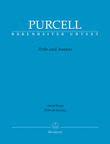
- His only true opera, "Dido and Aeneas" (composed around 1688), is considered a landmark in English dramatic music, showcasing his mastery of expressive vocal writing.
- He composed extensive incidental music for numerous stage plays, including "The Fairy-Queen," a semi-opera based on Shakespeare's "A Midsummer Night's Dream".
- Purcell died at the age of 36 in 1695, with the exact cause of his untimely death remaining unclear, though tuberculosis is a likely theory.
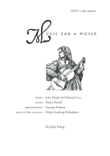
Purcell's sheet music offers a rich and rewarding experience for musicians across various skill levels, from intermediate to advanced. His repertoire includes a wealth of vocal music, such as solo songs, anthems, and operatic arias, as well as instrumental works for keyboard (harpsichord and organ), strings, and wind instruments. Performing Purcell's music allows musicians to delve into the expressive depth and dramatic flair of the English Baroque, with opportunities to explore intricate harmonies, captivating melodies, and historical performance practices. Pieces like "Dido's Lament" from "Dido and Aeneas," "Music for a While," and his various anthems are particularly cherished for their beauty and emotional power, making his works a timeless and fulfilling choice for study and performance.