About Harry T. Burleigh
Harry T. Burleigh (1866-1949) was a pivotal African American composer, singer, and arranger, celebrated for his profound impact on American music. He is primarily recognized for his masterful arrangements of Negro spirituals, transforming them into a respected genre for classical concert stages. Burleigh's work was instrumental in developing a distinctively American style of music and in elevating African American musical traditions within the classical world, bridging cultural divides and enriching the global musical landscape.
- Burleigh formed a significant friendship with Czech composer Antonín Dvořák while studying at the National Conservatory of Music. Burleigh introduced Dvořák to spirituals and plantation songs, which profoundly influenced Dvořák's compositions, most notably his "New World Symphony".
- He made history as the first African American soloist at St. George's Episcopal Church in New York City, a position he held for over 50 years, and also served as a soloist at Temple Emanu-El, a prominent synagogue.
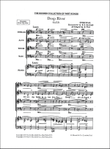
- Burleigh arranged over 100 Negro spirituals for solo voice and piano, bringing these vital folk traditions to the concert stage. His 1916 arrangement of "Deep River" became particularly famous and helped establish spirituals as a standard part of the concert repertoire.
- Beyond his spiritual arrangements, Burleigh composed over 200 original works, including art songs, ballads, and instrumental pieces, showcasing his versatility and lyrical talent.
Performing Harry T. Burleigh's sheet music offers a deeply rewarding experience for musicians, particularly vocalists and pianists. His arrangements of spirituals are suitable for intermediate to advanced singers and accompanists looking to explore repertoire rich in emotional depth, historical significance, and beautiful melodies. Playing his original art songs provides an opportunity to engage with thoughtfully crafted vocal literature that is both expressive and challenging. His music not only offers a chance to develop vocal and interpretive skills but also connects performers to a crucial part of American cultural heritage, making it a powerful addition to any musician's repertoire.