About Franz Lehar
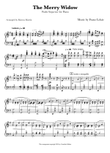
Franz Lehár (1870–1948) was an Austro-Hungarian composer, primarily celebrated for his operettas, a genre he revitalized and elevated in the early 20th century. Born in the Kingdom of Hungary, Lehár became a central figure in Viennese musical life, known for his captivating melodies, sophisticated orchestrations, and ability to blend traditional Central European folk music with waltz rhythms and even contemporary styles like American jazz. His most famous work, "The Merry Widow," remains a cornerstone of the operetta repertoire, showcasing his unique blend of charm, sentimentality, and theatrical flair.
- Lehár was initially encouraged by Antonín Dvořák to focus on composition while studying violin at the Prague Conservatory.
- His operetta "The Merry Widow" (1905) was an international sensation, so successful that two years after its premiere, it was being played simultaneously in five theaters in Buenos Aires.
- Lehár had a complex relationship with the Nazi regime during World War II; while Adolf Hitler was reportedly a fan of his music, Lehár's wife, Sophie, was Jewish, leading to an uneasy personal situation, though she was granted the honorary Aryan title of "Ehrenarierin."
- In 1935, Lehár established his own publishing house, Glocken-Verlag, to ensure he maintained control over the performance rights of his works.
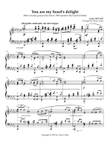
Franz Lehár's sheet music offers a delightful and rewarding experience for musicians of various skill levels. His compositions, particularly his operettas, are rich in memorable melodies and often feature accessible yet engaging harmonies and rhythms. Pianists can find solo arrangements ranging from easy to intermediate, perfect for those looking to explore the charm of Viennese operetta. Vocalists will discover a wealth of beautiful arias and duets, ideal for developing expressive singing and stage presence. Instrumentalists, from violinists to wind ensembles, can also find arrangements of his popular waltzes and individual numbers like "Vilja" and "You Are My Heart's Delight." Performing Lehár's music allows musicians to immerse themselves in a world of elegance, romance, and theatricality, bringing to life the "feel-good" essence of a beloved musical era.