About Frank Paparelli
Frank Paparelli was an accomplished American jazz pianist, composer, arranger, and author whose significant contributions helped shape the landscape of jazz piano during the mid-20th century. Known primarily for his work in jazz, boogie-woogie, and the burgeoning bebop movement, Paparelli's influence extended from performing with legendary figures to educating aspiring musicians through his widely published instructional materials. He carved a niche as both a performer and a meticulous transcriber, making complex jazz styles accessible to a broader audience.
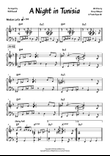
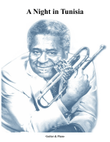
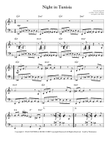
- Frank Paparelli is famously credited as co-writer, alongside Dizzy Gillespie, for the bebop standards "A Night in Tunisia" and "Blue 'n' Boogie." While the credit for "A Night in Tunisia" was reportedly compensation for transcription work, his name is indelibly linked to this iconic jazz composition.
- He was a prolific author of piano method books, including popular titles such as "Boogie Woogie for Beginners," "The Blues - And How to Play 'em," and "2 to the Bar - Dixieland Piano Method." These books introduced countless students to essential jazz piano styles.
- Paparelli worked closely with some of the most innovative jazz artists of his time, transcribing solos for giants like Art Tatum and creating the Dizzy Gillespie Series for Piano Solos and Dizzy Gillespie Series of Be Bop Trumpet solos, which included transcriptions of bebop compositions.
- His early career saw him performing as a soloist during his college years, studying with renowned music teacher Nadia Boulanger, and later performing with orchestras such as Will Osborne's and accompanying The Andrews Sisters.
Pianists eager to explore the foundational sounds of jazz, boogie-woogie, and early bebop will find Frank Paparelli's sheet music invaluable. His instructional books are particularly well-suited for beginner to intermediate players seeking to master these energetic and rhythmic styles, offering clear guidance and examples from a true expert. Performing Paparelli's arrangements and original compositions provides a direct link to a pivotal era in jazz history, allowing musicians to develop essential improvisational skills and a deep appreciation for the artistry that defined the genre.