About Ferruccio Busoni
Ferruccio Busoni (1866–1924) was an Italian composer, virtuoso pianist, conductor, editor, and visionary theorist whose multifaceted career bridged late Romanticism with early modernism. He is primarily known for his extensive piano works, including original compositions and influential transcriptions of J.S. Bach, as well as his significant operas and theoretical writings. Busoni's intellectual approach to music, his blend of Italian lyrical traditions with German structural rigor, and his forward-looking ideas about musical aesthetics firmly establish him as a unique and important figure in music history, who foresaw many developments of the 20th century.
- Busoni was a child prodigy, making his public debut as a pianist and composer at the age of seven.
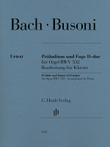
- He was renowned for his masterful piano transcriptions of J.S. Bach's organ works, which were crucial in popularizing Bach's music for a wider audience of pianists.
- His opera "Doktor Faust" is considered his magnum opus, though he passed away before its completion, requiring his student Philipp Jarnach to finish the final scenes.
- Busoni was also an influential musical thinker, whose essay "Sketch of a New Esthetic of Music" (1907) advocated for a more fluid and innovative approach to composition, predicting microtonality and electronic music.
Performing Ferruccio Busoni's sheet music offers a deeply rewarding experience for pianists, particularly those at intermediate to advanced levels seeking both technical challenge and intellectual stimulation. His original piano compositions, such as his monumental Piano Concerto or the intricate Fantasia Contrappuntistica, demand considerable virtuosity and musical insight, rewarding performers with complex harmonies and profound expressive depth. Furthermore, his celebrated Bach transcriptions provide a unique opportunity for pianists to explore the grandeur of Bach's organ repertoire through a distinctively Romantic pianistic lens, blending historical reverence with a rich, expressive interpretation. Engaging with Busoni's music allows musicians to connect with a composer who was both a supreme technician and a profound visionary, making it an enriching journey into a pivotal era of musical development.