About Felix Bartholdy Mendelssohn
Jakob Ludwig Felix Mendelssohn Bartholdy, widely known as Felix Mendelssohn, was a pivotal German composer, pianist, organist, and conductor of the early Romantic period. His musical style masterfully blended the structural elegance of the Classical era with the expressive lyricism and programmatic imagination of Romanticism, making him a unique bridge between these two significant periods in music history. Mendelssohn's prolific output spanned symphonies, concertos, oratorios, chamber music, and piano works, and he is celebrated for his enchanting melodies, refined harmonies, and orchestral brilliance.
- Mendelssohn was a remarkable child prodigy, often compared to Mozart, demonstrating exceptional talent in piano, violin, and composition from a very young age.
- He played a crucial role in the revival of Johann Sebastian Bach's music, most notably by conducting the first performance of Bach's St. Matthew Passion since Bach's death in 1750, a performance that brought Bach's genius back to public attention.
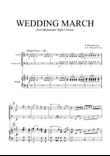
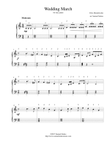
- His incidental music for Shakespeare's A Midsummer Night's Dream includes the iconic "Wedding March," which remains one of the most popular and recognizable pieces of music played at weddings worldwide.
- Mendelssohn hailed from an affluent and highly cultured family; his older sister, Fanny Mendelssohn Hensel, was also a gifted composer and pianist whose musical talents were recognized alongside his own.
Performing Felix Mendelssohn's music offers immense rewards for musicians across various skill levels and instruments. His sheet music is highly regarded for its beautiful melodies and satisfying harmonic language, appealing to pianists seeking expressive character pieces like his "Songs Without Words" or more challenging concertos. Instrumentalists will find exquisite repertoire in his violin concerto, chamber music, and orchestral works, which provide opportunities for technical brilliance and deep emotional conveyance. Choral ensembles can delve into his powerful oratorios such as "Elijah," which stands as a pinnacle of 19th-century choral music. Mendelssohn's compositions are known for their clarity, balance, and lyrical grace, making them fulfilling to learn and captivating to perform for audiences.