About Elmer Bernstein
Elmer Bernstein (1922-2004) was a highly influential American composer and conductor, celebrated for his iconic contributions to film music. With a career spanning over five decades, Bernstein crafted some of Hollywood's most recognizable and memorable themes, often characterized by their dramatic scope, orchestral grandeur, and jazz-infused elements. He excelled at defining cinematic moments across a vast array of genres, from epic Westerns to suspenseful dramas and lighthearted comedies, solidifying his legacy as a master of musical storytelling in cinema.
- Elmer Bernstein was nominated for 14 Academy Awards throughout his career, winning one Oscar for his score for the 1967 film "Thoroughly Modern Millie".
- Prior to his prolific film career, Bernstein studied composition with notable figures such as Aaron Copland, Roger Sessions, and Stefan Wolpe, and also performed as a concert pianist. During World War II, he composed music for the Armed Forces Radio.
- He composed scores for over 150 original films and nearly 80 television productions, including celebrated works like "The Magnificent Seven", "To Kill a Mockingbird", "The Great Escape", "The Ten Commandments", and "Ghostbusters".
- Bernstein made groundbreaking use of jazz in film scores, notably in "The Man with the Golden Arm" (1955), which became one of the first hit movie soundtracks and established his reputation for versatility.
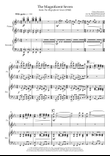
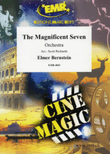
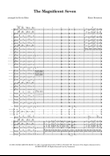
Elmer Bernstein's sheet music offers a rewarding experience for musicians of various skill levels and instrumental focuses. Pianists, orchestral players, and ensembles can find arrangements that capture the essence of his powerful and evocative scores. From the rousing main theme of "The Magnificent Seven" to the subtly moving melodies of "To Kill a Mockingbird," performing Bernstein's music allows musicians to connect with iconic cinematic history and explore diverse musical styles, from bold Americana to intricate jazz and classical forms. His compositions are well-suited for those looking to develop expressive playing, rhythmic precision, and a deeper understanding of how music enhances narrative.