About Edith Piaf
Édith Piaf, born Édith Giovanna Gassion, was a revered French singer and lyricist who rose from the streets of Paris to become one of the most celebrated performers of the 20th century. Her powerful, emotive voice and passionate interpretations of chanson réaliste and torch ballads, often autobiographical, captured the hearts of audiences worldwide. Piaf's music frequently explored themes of love, loss, and sorrow, making her an enduring symbol of French passion and resilience, particularly after World War II.
- Édith Piaf's stage name was inspired by her diminutive size and powerful voice; "Piaf" is Parisian slang for "sparrow," leading to her nickname "La Môme Piaf" or "The Little Sparrow."
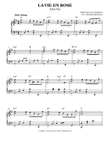
- She wrote or co-wrote the lyrics for many of her most famous songs, including her signature song "La Vie en rose," which was inducted into the Grammy Hall of Fame in 1998.
- Piaf's career flourished during the German occupation of France, and she famously performed at the Paris Olympia music hall multiple times, with her 1961 concerts helping to save the venue from bankruptcy.
- Despite a life marked by personal tragedies, including the death of her only child and a profound love, and battles with addiction, Piaf's emotional depth in performance remained undiminished, making her an icon of French culture.
Performing Édith Piaf's music offers a profoundly rewarding experience for musicians of various skill levels, particularly those with an intermediate to advanced understanding of musicality and emotional expression. Her chansons, often arranged for piano, voice, and guitar, are rich with dramatic narratives and lyrical beauty. Instrumentalists can find arrangements for various instruments like flute and classical guitar, allowing them to explore her iconic melodies and harmonies. Piaf's sheet music is especially suited for those who wish to delve into French musical heritage, offering pieces that are perfect for recitals, concerts, and any performance celebrating emotional depth and storytelling.