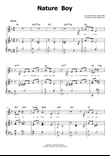
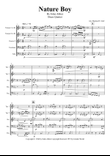
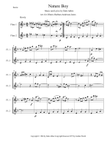
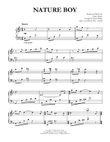
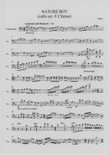
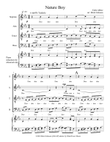
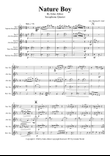
About Eden Ahbez
Eden Ahbez, born George Alexander Aberle, was an American songwriter, recording artist, and enigmatic figure who significantly influenced popular music from the 1940s through the 1960s. He is best known as the composer of the timeless jazz standard "Nature Boy," which became a number one hit for Nat King Cole in 1948. Ahbez's musical style blended elements of jazz, pop, and exotica, often infused with a unique philosophical and proto-hippie aesthetic that made him a distinctive voice in American music history.
- Ahbez famously lived a "bucolic" lifestyle, often sleeping outdoors, wearing sandals and robes, and maintaining shoulder-length hair and a beard decades before the hippie movement gained widespread recognition. He claimed to live on approximately $3 per week, embracing a vegetarian diet and Eastern mysticism.
- He insisted on having his name spelled in all lowercase, "eden ahbez," believing that capitalization should be reserved for words he deemed divine, such as Nature, God, Happiness, and Life.
- His only solo album, "Eden's Island," released in 1960, is considered a seminal work in the exotica genre and is often lauded as an early example of proto-psychedelic music, blending his spoken poetry with evocative instrumental arrangements.
- Despite his reclusive nature, Ahbez's composition "Nature Boy" has been covered by numerous legendary artists across genres, including Frank Sinatra, John Coltrane, Sarah Vaughan, and David Bowie, cementing its status as a pop and jazz standard.
Performing the music of Eden Ahbez offers a rewarding experience for musicians seeking to explore compositions that transcend conventional boundaries. His most famous work, "Nature Boy," is suitable for intermediate to advanced instrumentalists and vocalists, providing rich harmonic and melodic material for interpretation in jazz, pop, and classical settings. Musicians interested in exotica or atmospheric soundscapes will find his album "Eden's Island" inspiring, as it showcases unique textural elements and compositional approaches. Playing Ahbez's music allows performers to connect with a deeply poetic and philosophical artistic vision, offering a chance to convey profound emotional depth and an enduring message of love and harmony with the natural world.