About Deep Purple
Deep Purple is an iconic English rock band formed in London in 1968, widely recognized as pioneers of hard rock and heavy metal, alongside Led Zeppelin and Black Sabbath. While their musical style has evolved throughout their career, initially incorporating psychedelic and progressive rock, they shifted to a heavier sound with their 1970 album "Deep Purple in Rock," which significantly shaped the emerging genres of hard rock and heavy metal. The band is celebrated for their virtuosic musicianship, dynamic live performances, and their distinctive blend of classical influences with raw rock energy, cementing their status as "rock royalty" with over 100 million albums sold worldwide.
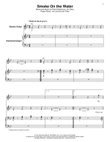
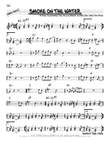
- The instantly recognizable guitar riff of their most famous song, "Smoke on the Water," tells a true story about a fire at the Montreux Casino in Switzerland during a Frank Zappa concert, which the band witnessed from their hotel.
- Deep Purple has undergone numerous lineup changes throughout its history, with fans often referring to different eras using a "Mark" system (e.g., Mark I, Mark II). The "Mark II" lineup, featuring Ian Gillan, Ritchie Blackmore, Roger Glover, Jon Lord, and Ian Paice, is generally considered their classic and most commercially successful formation.
- In 1975, Deep Purple was listed in the Guinness Book of World Records as "the globe's loudest band" for a 1972 concert at London's Rainbow Theatre.
- Keyboardist Jon Lord was celebrated for his unique Hammond organ sound and his integration of classical music elements, while guitarist Ritchie Blackmore's neoclassical leanings, influenced by Bach and Baroque music, significantly shaped tracks like "Highway Star."
Deep Purple's sheet music offers a thrilling challenge and a rewarding experience for musicians ranging from intermediate to advanced skill levels, suitable for guitarists, keyboardists, drummers, bassists, and vocalists. Performing their compositions allows instrumentalists to delve into the foundational sounds of hard rock and heavy metal, developing technical proficiency through intricate instrumental sections, powerful riffs, and opportunities for improvisation. Iconic tracks like "Smoke on the Water," "Highway Star," and "Burn" are not only enjoyable to master but also provide insight into the sophisticated interplay between classical theory and rock aggression that defined an era.