About Christoph Willibald Von Gluck
Christoph Willibald Gluck was a pivotal German composer of Italian and French opera during the early Classical period, whose visionary reforms revolutionized the genre. Born in Bavaria and gaining prominence at the Habsburg court in Vienna, Gluck is celebrated for advocating a "beautiful simplicity" in opera, shifting focus from excessive vocal ornamentation to dramatic truth and coherence. His groundbreaking approach, emphasizing the subservience of music to poetry and dramatic action, profoundly influenced subsequent generations of composers, including Mozart and Wagner.
- Gluck was knighted in 1756 by Pope Benedict XIV, after which he used the title "Ritter von Gluck" or "Chevalier de Gluck."
- He worked extensively in Vienna and Paris, where he found favor with Marie Antoinette, who had once been his student and later awarded him a substantial annual pension.
- Gluck is credited with composing nearly 35 complete operas, including his most famous reform operas like "Orfeo ed Euridice" and "Alceste," which broke away from the conventions of Metastasian opera seria.
- His father, a forester, initially tried to prevent Gluck from pursuing a career in music, leading the young Gluck to run away to Prague at a young age to pursue his passion.
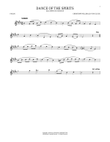
Playing Gluck's music offers a rewarding experience for musicians of various skill levels, particularly those interested in the origins of classical opera and dramatic vocal works. His sheet music, including famous arias and orchestral excerpts, is suitable for intermediate to advanced vocalists and instrumentalists, with many piano reductions of his operas also available. Performing Gluck provides a unique opportunity to connect with music that prioritizes emotional expression and dramatic storytelling over mere virtuosity, allowing musicians to delve into clear melodic lines and the powerful interplay between music and narrative that defined his operatic reforms. Instrumental pieces like "Dance of the Blessed Spirits" from "Orfeo ed Euridice" are particularly popular for pianists, flutists, and other instrumentalists seeking expressive and historically significant repertoire.