About Charles Mingus
Charles Mingus Jr. (1922-1979) was an American jazz upright bassist, composer, bandleader, pianist, and author, recognized as one of the most important figures in 20th-century American music. A major proponent of collective improvisation, his primary musical style transcended traditional jazz boundaries, incorporating elements of bebop, hard bop, avant-garde jazz, and post-bop, while also integrating influences from classical music, gospel, and Mexican folk music. Mingus holds a significant place in music history for liberating the double bass from its traditional time-keeping role, transforming it into a versatile solo instrument, and for creating a vast, complex body of work that rivals that of his idol, Duke Ellington.
- In 1952, Charles Mingus co-founded Debut Records with drummer Max Roach, establishing one of the first artist-owned jazz labels to gain more control over his recordings and to document unrecorded young musicians.
- Mingus was known for his unique teaching method, often instructing his musicians by ear—singing or playing parts on bass or piano—rather than relying solely on written scores, to foster greater spontaneity and individual expression in his "Jazz Workshop" ensembles.
- His 1971 autobiography, "Beneath the Underdog," is famously known for its blurring of fact and fiction, which contributed to the mystique surrounding his complex and often volatile personality.
- Charles Mingus holds the distinction of being the only musician Duke Ellington ever fired from his orchestra, reportedly after an on-stage altercation where Mingus wielded a fire axe at trombonist Juan Tizol.
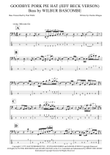
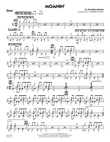
Performing Charles Mingus's music is a profoundly rewarding experience for musicians seeking depth, challenge, and expressive freedom. His compositions, which range from blues tunes to suites and ballet scores, often feature complex harmonic structures, shifting tempos, and a blend of structured passages with ample room for improvisation. Sheet music for his works is available for various instruments, including piano, guitar, electric bass, saxophone, trumpet, trombone, and full big band ensembles, catering to intermediate and advanced players, though some arrangements exist for easier levels. Playing Mingus allows musicians to engage with emotionally charged pieces that often carry political or social commentary, pushing them to explore a wide dynamic and expressive range. His music is ideal for those who appreciate the melding of diverse musical traditions and who are eager to embrace both technical demands and the spontaneity inherent in his unique approach to jazz composition.