About Billy Strayhorn
William Thomas "Billy" Strayhorn (1915-1967) was an American jazz composer, pianist, lyricist, and arranger, celebrated for his profound contributions to jazz music, particularly through his nearly three-decade-long collaboration with Duke Ellington. Strayhorn's musical style, often described as sophisticated and impressionistic, integrated his classical training with jazz and swing, bringing a unique harmonic complexity and polish to the big band sound. His forward-thinking compositions and arrangements significantly influenced modern jazz and remain integral to the Great American Songbook.
- Strayhorn initially aspired to be a classical composer, studying at the Pittsburgh Music Institute, but faced racial barriers in the predominantly white classical music world of his time. This led him to pursue jazz, where he found his lasting legacy.
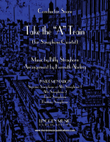
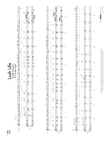
- He is credited with composing "Take the 'A' Train," which became the iconic theme song for the Duke Ellington Orchestra. Other renowned compositions include "Lush Life," "Chelsea Bridge," and "Satin Doll."
- Despite his immense talent, Strayhorn often remained in the background, partly due to his modest nature and his open homosexuality during an era of widespread discrimination, allowing many of his contributions to be attributed solely to Ellington. Ellington famously called Strayhorn "my right arm, my left arm, all the eyes in the back of my head, my brainwaves in his head, and his in mine."
Playing Billy Strayhorn's music offers a deeply rewarding experience for musicians across various skill levels, though his sophisticated harmonies and intricate melodies often appeal most to intermediate and advanced players. His compositions, available for instruments like piano, saxophone, guitar, and for jazz ensembles, challenge performers to explore rich harmonic paths and expressive phrasing. Performing Strayhorn allows musicians to delve into the nuanced emotional spectrum of his work, from the bittersweet introspection of "Lush Life" to the vibrant energy of "Take the 'A' Train," fostering a deeper appreciation for the artistry and innovation that shaped the golden age of jazz. His sheet music provides a gateway to understanding the genius behind one of jazz's most influential, yet often understated, figures.