About Alexis Emmanuel Chabrier
Alexis Emmanuel Chabrier was a French Romantic composer and pianist whose music captured the vibrant essence and wit of late 19th-century Parisian artistic life. His style is characterized by its vibrant color, rhythmic vitality, and harmonic daring, establishing him as an important innovator and a catalyst who paved the way for French modernism. Chabrier’s unique musical language, unburdened by strict academic training, significantly influenced later renowned composers such as Claude Debussy, Maurice Ravel, Erik Satie, Igor Stravinsky, and Francis Poulenc.
- Chabrier initially pursued a career in law, working as a civil servant for nearly two decades before fully dedicating himself to music at the age of 39 in 1880, a decision reportedly spurred by attending a performance of Wagner's "Tristan und Isolde".
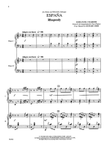
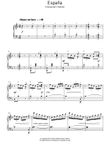
- While best known for his orchestral rhapsody "España" and "Joyeuse marche," Chabrier composed a diverse body of works including operas like "L'étoile" and "Le roi malgré lui," numerous songs, and significant piano pieces.
- An enthusiastic patron of the arts, Chabrier was a close friend to many prominent artists and writers of his time, including the painter Édouard Manet, and was an early collector of Impressionist paintings long before they became widely fashionable.
- His music is noted for its broad humor, sense of caricature, and sophisticated Parisian style, often incorporating irregular rhythmic patterns derived from dances like the bourrée, and his innovative orchestration, as seen in "España," foreshadowed techniques used by composers such as Stravinsky.
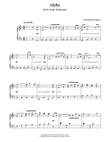
Performing Chabrier's sheet music offers a delightful and rewarding experience for musicians across various skill levels. His piano works, such as the evocative "Dix Pièces pittoresques," "Habanera," and "Bourrée fantasque," are central to his oeuvre and range in difficulty, with some arrangements of his popular pieces like "Habanera" being accessible even to beginners. His compositions for voice, including his charming mélodies, also provide a rich repertoire for singers. Musicians will find his scores exhilarating due to their infectious gaiety, vibrant harmonies, and a unique blend of exquisite craftsmanship with an uninhibited sense of humor, making each performance a lively and engaging journey into the heart of French Romanticism.